International barging: this T1 mistake costs you days
Your container arrives right on time in Antwerp, yet your delivery to the Netherlands still ends up four days late. The cause? An administrative error. The barge to your terminal in Den Bosch has departed, but without your cargo. This isn't bad luck. It's the predictable result of a crucial bottleneck in the barging rules around cross-border transport. Fortunately, you can prevent this.


When do you need a T1?
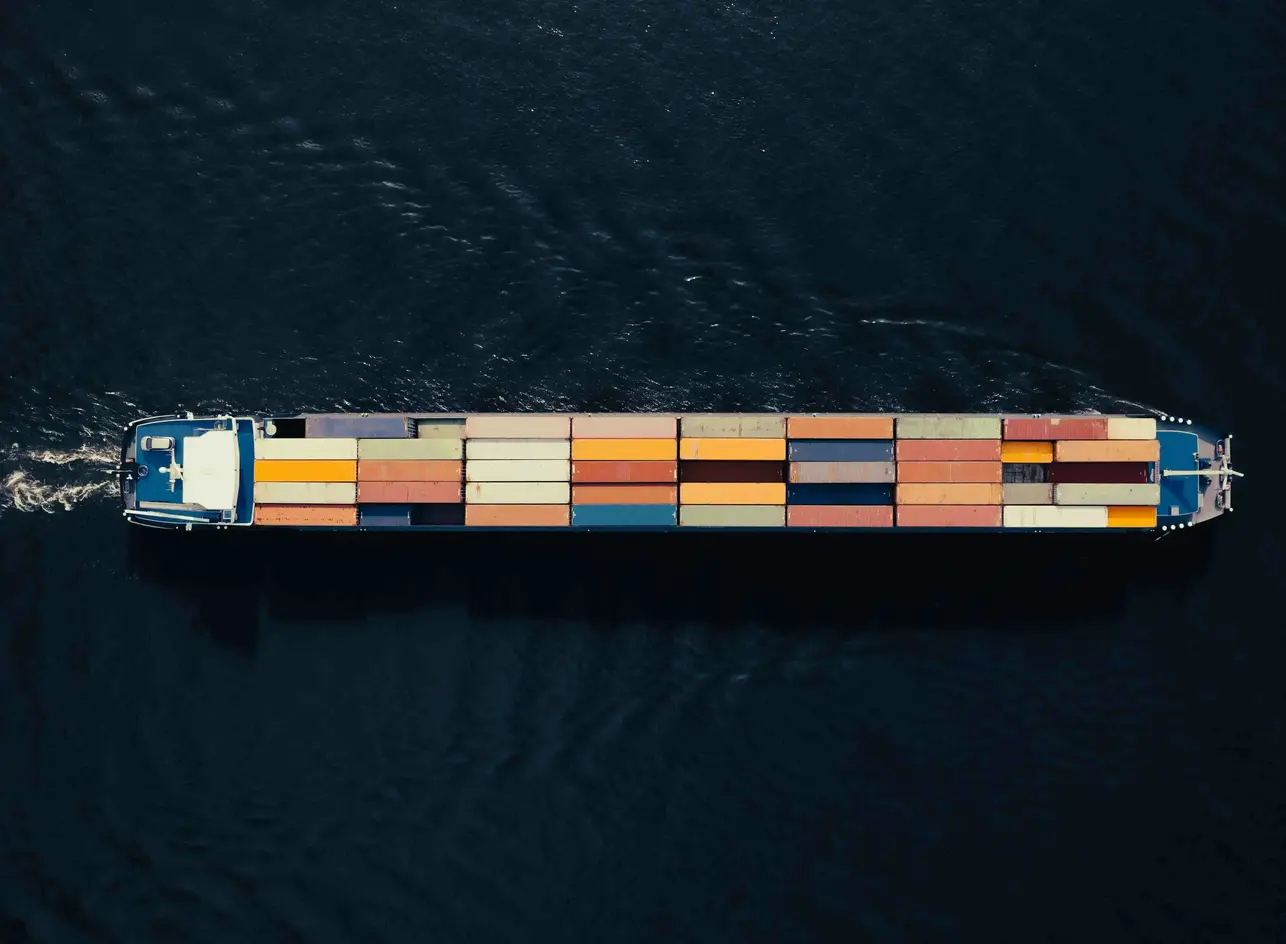
It's important to distinguish between domestic and international transport. Are you shipping a container by sea freight to Rotterdam and then on to another destination within the Netherlands? Then domestic shipping by barge is relatively straightforward and you generally don't need a T1 document.
The story changes as soon as you cross a border. Do you want to ship a container from abroad (for example via the port of Antwerp) to the Netherlands by barge? Then a T1 document is mandatory. This document has to be registered by customs agents in Antwerp and then closed out again in the Netherlands. If you don't have a logistics partner arranging this, you as the importer are responsible for this paperwork yourself.
The #1 delay factor: paperwork misses the boat
Without a valid T1 document, your container doesn't move an inch. The terminal acts as a gatekeeper and releases nothing without the correct paperwork.
Picture this: a container of electronics from Shenzhen arrives in Antwerp, destined for a warehouse in Brabant. If the T1 document hasn't been registered in time before the barge arrives, the container misses its reserved slot.
The consequences are felt immediately:
● Demurrage: The container stays on the quay, which costs money right away.
● Disrupted sailing schedules: The planned barge sailing times are tight; a missed slot means waiting for the next vessel, which can sometimes take days.
● Chain reaction: You miss your time slot at the warehouse and the end customer receives their goods too late.
The total damage quickly adds up to thousands of euros over a 72-hour administrative delay.
So why choose barging at all?
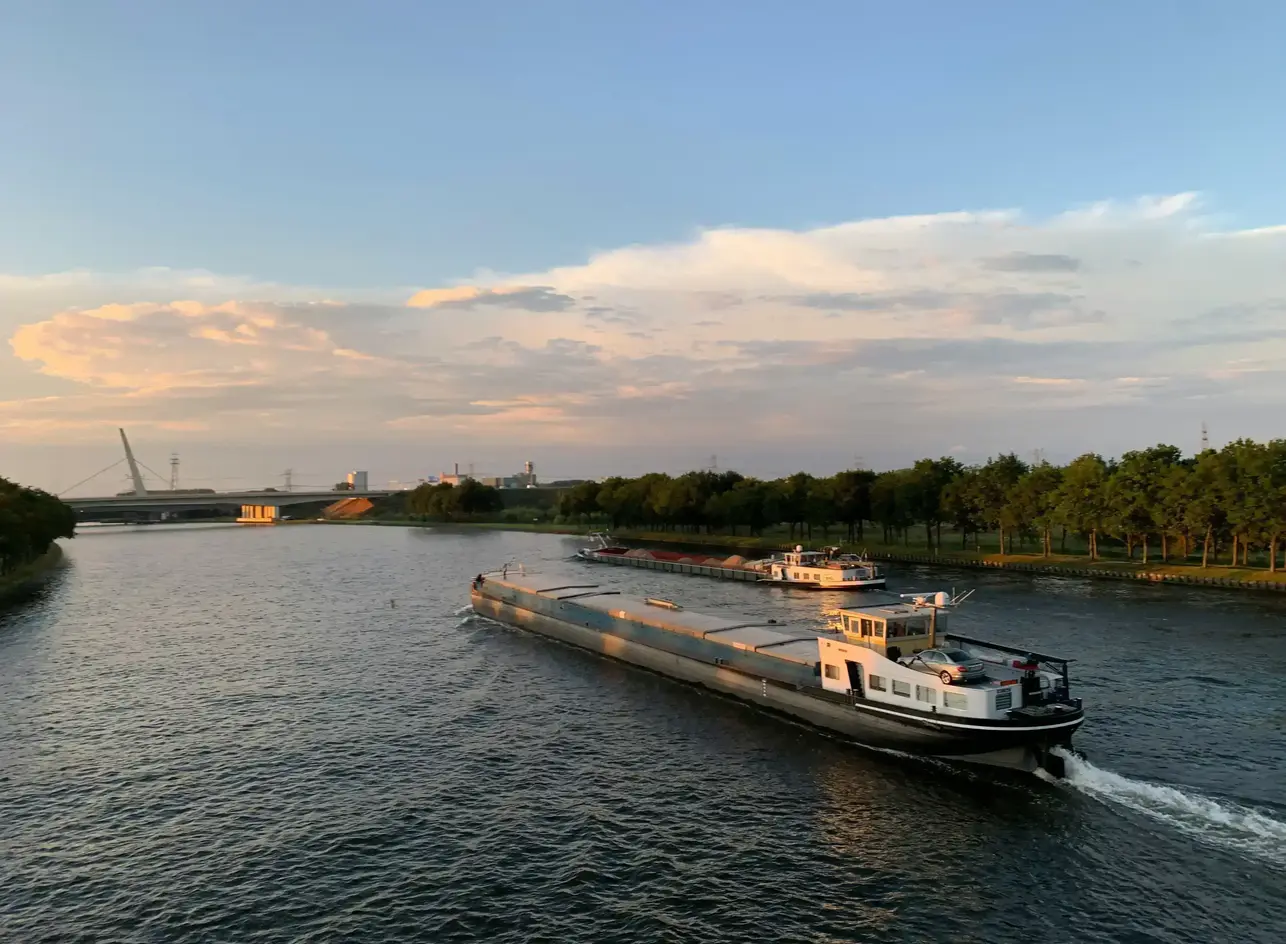
At Cargoplot, we advise considering barging when the delivery address is far from the port of arrival. It's often cheaper than road transport, and by not sending everything by road, congestion at port terminals is spread out.
Still, there's a downside: you have less visibility into your delivery than with road transport. At the moment, little information is available within barging. This is because you're dealing with three specific parties:
● The shipping line
● The sea terminal (e.g. in Antwerp or Rotterdam)
● The inland terminal near the delivery address
These parties don't always communicate well with each other and their systems aren't yet linked. As an importer, this leaves you in the dark about the exact status of your shipment.
The solution: one platform for 100% transparency
You want to benefit from the cost advantages of barging, without the administrative headache of the barging rules. The only way to do this is with a central platform. One place where the status of crucial documents, such as the T1, is directly linked to the booking.
Through the Cargoplot platform, you simply book your barge transport, and after that you don't have to worry about it anymore. Instead of chasing the status of your T1 document yourself, we give you a timely heads-up whenever specific documents are needed.
On the platform, you can see exactly when your cargo has arrived in the port (e.g. Rotterdam). You then receive an update as soon as it's known when final delivery can take place. This way, you're no longer dependent on poor communication between terminals and shipping lines; the entire process is handled for you.
Book your barge transport easily through Cargoplot and let us keep an eye on the deadlines. We'll proactively give you a heads-up when documents are needed and keep you posted on arrival and delivery. So you never have to worry about it again.
Frequently asked questions about barging rules
When do I need a T1 document for barging?
A T1 document is mandatory for international transport, for example when you ship a container from abroad via Antwerp to the Netherlands. For domestic transport (for example from Rotterdam to a destination within the Netherlands), a T1 document is usually not needed.
What are the consequences of a T1 document that isn't registered on time?
If the T1 document isn't registered with customs in time, the container isn't allowed to leave the terminal. As a result, the container misses its reserved slot on the barge. This leads to extra demurrage costs, delivery delays, and disruption to production planning.
Why choose barging?
Cargoplot mainly advises barging when the delivery address is far from the port of arrival. It's often cheaper than road transport and spreads out congestion at port terminals. Through a central platform, you can offset the downsides, such as limited visibility into status updates.
Related content


Sign up for more supply chain insights:
No spam, just knowledge.