Rail Freight, The Strategic Middle Ground
Faster than sea freight, cheaper than air freight. Rail freight offers a smart middle ground and strikes a unique balance between speed and cost.

Our transport partners
Choice and transparency are at the core of Cargoplot. You can always choose exactly who you ship with.







What is Rail Freight?
Rail freight, also known as rail transport, is the shipment of goods by train, used mainly on the route between China and Europe. Rail freight is a middle ground between sea and air freight: with an average transit time of 2 to 3 weeks, you’re faster than sea freight (4 to 6 weeks) and cheaper than air freight (7 days on average, at a considerably higher price).
Intercontinental rail transport has grown into a strategic choice for shipping goods between China and Europe, offering an attractive middle ground between the slower pace of sea freight and the high cost of air freight. Rail transport is an attractive choice for companies that want to optimize their deliveries without taking on the high costs of air transport.

“Before it was also always a little bit dodgy… you get prices but you don't know with whom they're booking it exactly. Cargoplot gives you that transparency.”

Rail freight China–Europe
The rail network between Asia and Europe, often referred to as the “New Silk Road,” offers extensive connections between major industrial hubs in China, particularly the northern regions, and key economic hubs across Europe.
From cities including Xi’an and Chengdu, direct connections run to European destinations such as Tilburg, Duisburg, Hamburg and Liège. Each route has its own transit time, depending on border crossings and onward transport.
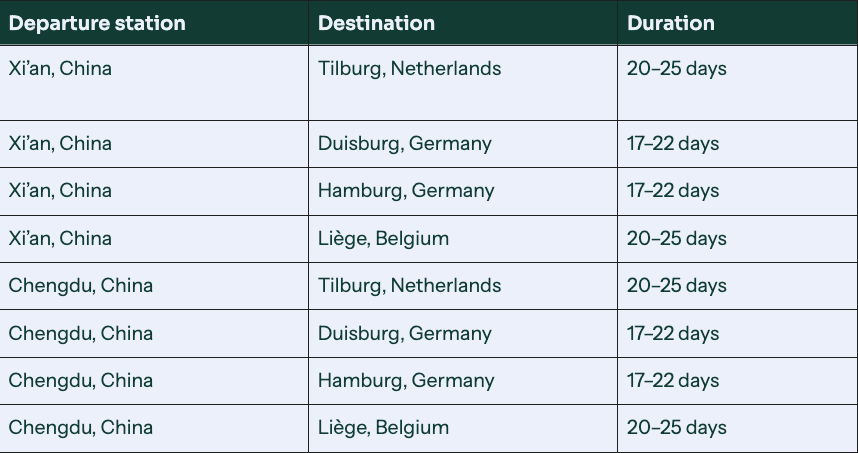
New Silk Road
The New Silk Road is the modern rail network that connects China directly with Europe, forming the foundation of international rail freight. For companies looking to compete in the global market, this route offers a direct connection between industrial hubs, without the cost of air freight or the long transit time of sea freight.
Sustainable and CO2-conscious transport
Rail transport is a more environmentally friendly option than air freight, because it produces less CO2 emissions. Of the three transport modes, air freight emits by far the most, due to the fuel consumption of aircraft at high altitude. Sea freight scores relatively low thanks to the huge volumes transported at once. Rail freight is generally the most sustainable option of the three, especially on electrified rail lines running on green power.

Get A Quick Quote For Your Rail Freight


From the World to Your Warehouse in a Few Clicks

Create And Compare Quotes
Get prices for shipments between all major hubs in Asia, North America and Europe. Compare prices, shipping times, reliability metrics, and make an informed shipping decision.
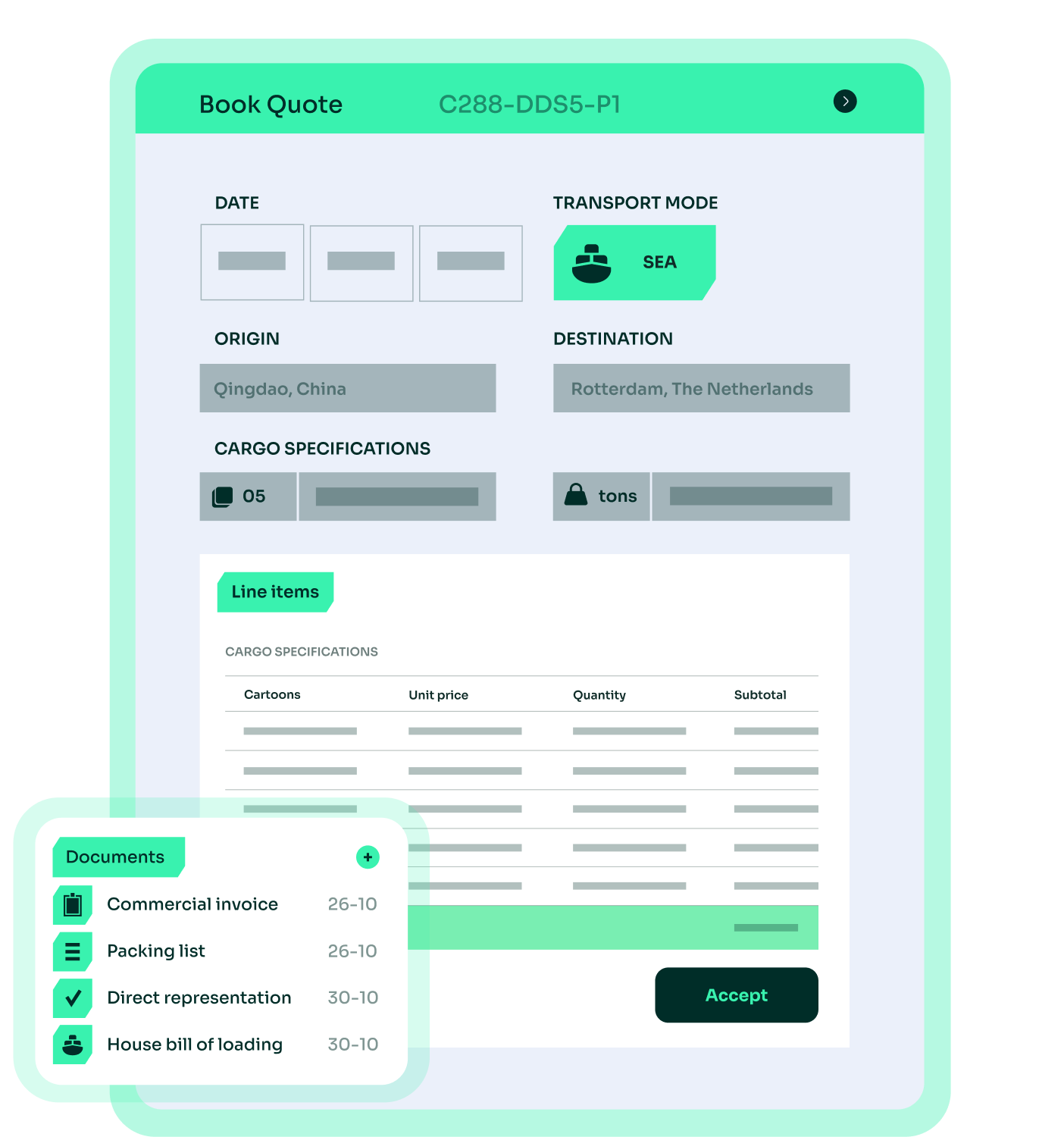
Book In A Few Clicks
Once you find an option you like, booking it is as simple as booking a plane ticket. We’ll need a few details to facilitate the process, and we’ll lock in your rate for your cargo ready date.
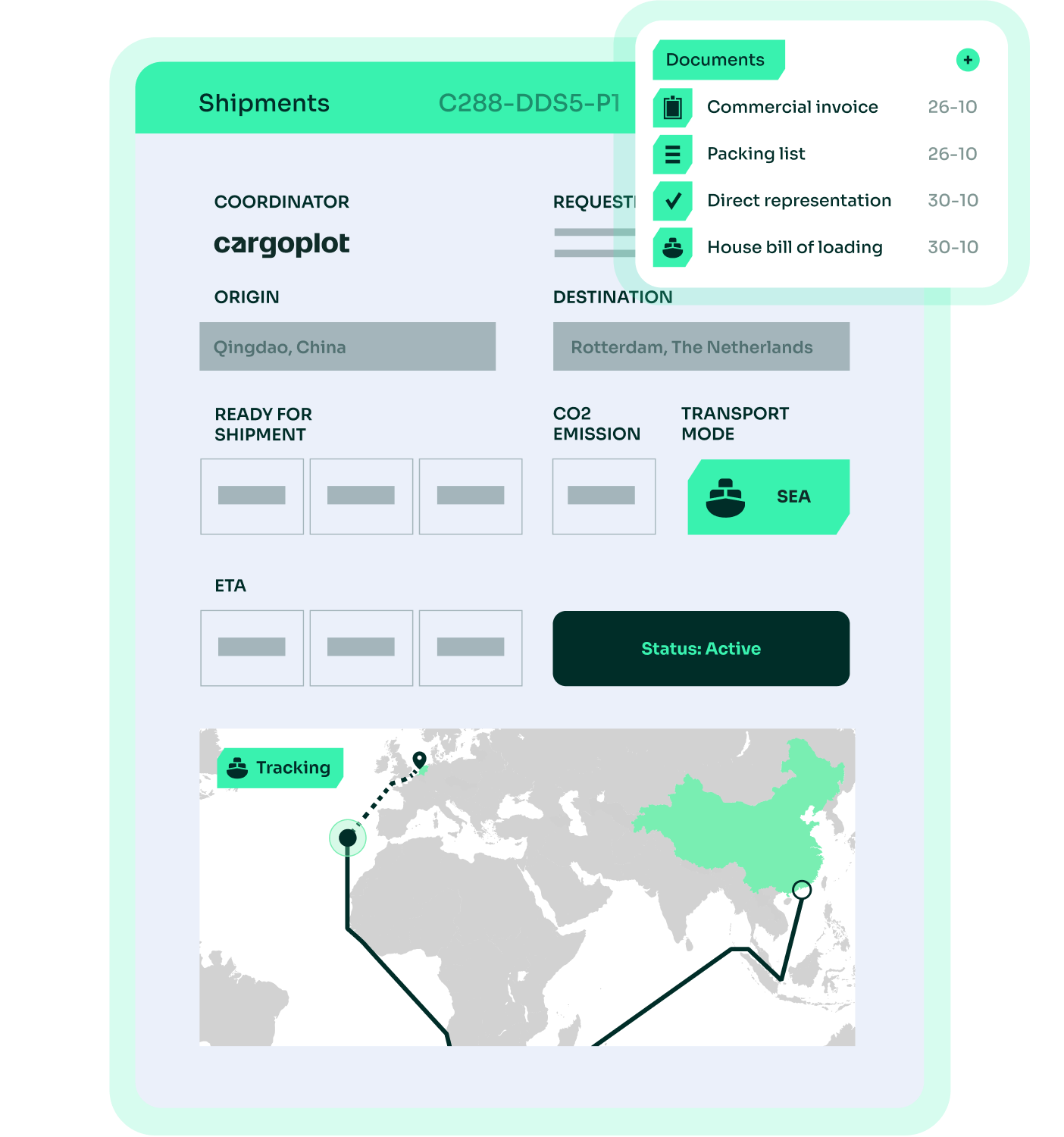
Manage Shipments And Get Support
Tracking, customs, shipping agents... everything is managed through the Cargoplot platform. Your dedicated account manager and our operation specialists are also ready to help anytime.
In Our Customer’s Words:
%20(1)%20(1)%20(1)%20(1).webp)

"What I really like at Cargoplot is that I can see the total price for all the costs... With others, you don't have a total picture. For me, it's very, very important to see what the total price is for the full shipment."



Frequently asked questions about rail freight
Your rail freight questions, answered — from transit times and routes to costs and sustainability.
What is rail freight?
Rail freight, also known as rail transport, is the shipment of goods by train between Asia and Europe. It’s a middle ground between sea and air freight: faster than sea freight and cheaper than air freight. Especially suited to companies that want to cut costs without accepting the long transit time of sea freight.
How long does rail freight take from China to Europe?
On average, rail freight from China to Europe takes about 2 to 3 weeks, depending on the departure and destination station. By comparison: sea freight takes 4 to 6 weeks on average, air freight takes 7 days on average.
What does rail freight cost compared with sea and air?
Rail freight sits between sea freight and air freight on cost: more expensive than sea freight, but considerably cheaper than air freight. A full container (FCL) costs between $7,500 and $12,000 on average; an LCL shipment costs between $120 and $200 per CBM. With Cargoplot, you compare the current rate instantly.
Is rail freight sustainable?
Rail freight is generally the most sustainable transport option of the three modes. Air freight emits by far the most CO2 due to fuel consumption at high altitude, while sea freight scores relatively low thanks to the large volumes per shipment. Rail freight, especially on electrified lines running on green power, is usually the cleanest choice of the three.
What is the New Silk Road?
The New Silk Road is the modern rail network that connects China directly with Europe. It offers direct connections between industrial hubs in China and economic hubs in Europe, without the cost of air freight or the long transit time of sea freight.
Which stations and routes does Cargoplot run?
Cargoplot offers rail freight from cities including Xi’an and Chengdu in China to Tilburg, Duisburg, Hamburg and Liège in Europe, with transit times of 17 to 25 days depending on the chosen route.