Air Freight, Built For Speed
Give your valuable cargo a first-class experience and get it to your warehouse as fast as possible. From 100 kg parcels to 10-ton shipments, you can arrange air freight transport within days, with full visibility into carrier, route and price.
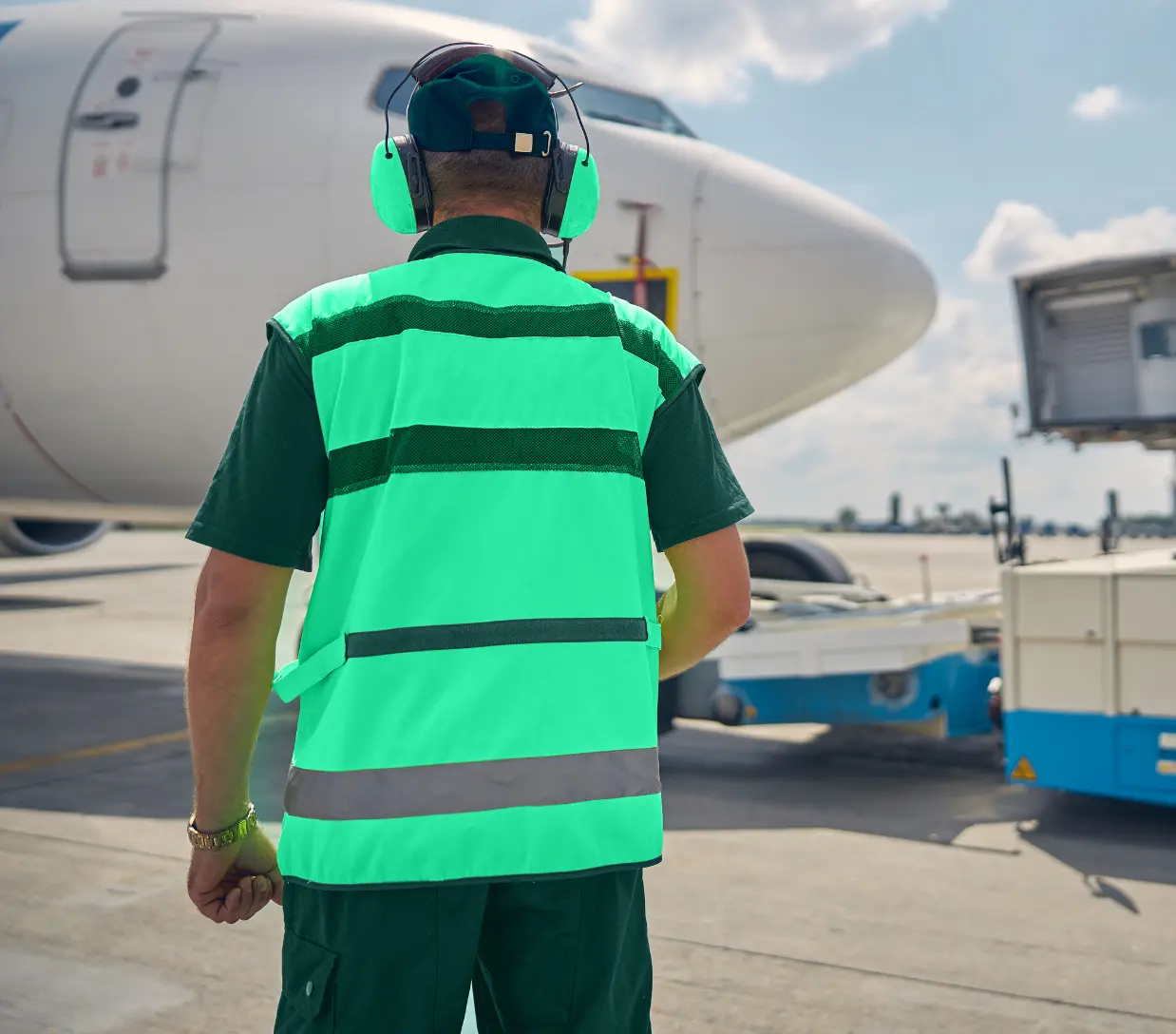
Our Air Freight Carriers
Choice and transparency are at the core of Cargoplot. You can always choose exactly who you ship with.








What is Air Freight?
Air freight, also known as air transport, is the shipment of goods by plane, typically used when speed matters more than cost. With cargo by plane, you choose the fastest transport mode available, with reliable arrival and departure times.
Air freight is the best choice for anyone who wants to transport goods quickly and reliably over long distances. When time is critical, shipping by plane is significantly faster than sea freight. Companies often choose air freight when shipping high-value goods such as electronics, pharmaceuticals and luxury goods, where speed and safety matter most.
Although transit time is considerably shorter than by sea, costs are higher. That speed lets you manage your inventory more efficiently with a just-in-time approach, with less extensive storage and lower storage costs. This makes air freight logistics a strategic part of the supply chain for many businesses, not just an emergency fallback.
Consider a supplier that runs into delays, putting the Cargo Ready Date at risk while the customer genuinely needs the goods on time. In that case, part of the shipment can be sent by air freight right away, so production or sales can continue, while the rest follows by the cheaper sea freight option.

| From | To | Shipment Size | Booked |
|---|---|---|---|
“Before it was also always a little bit dodgy… you get prices but you don't know with whom they're booking it exactly. Cargoplot gives you that transparency.”

When Should You Choose Air Freight?
With air transport, airlines operate on strict schedules, resulting in reliable arrival and departure times, and can reach almost any destination worldwide. This flexibility and predictability make air freight an accessible and essential option for companies that want to compete in the global market by ensuring products arrive on time and in excellent condition.
The rule of thumb: if your shipment is time-sensitive, high-value or relatively light, air freight is usually the better choice. For large volumes with more flexibility in scheduling, sea freight is generally more cost-effective.
The basic rule is simple: if you’re in a hurry, switch to air freight. Where sea freight takes 4 to 6 weeks on average, air freight gets you to your warehouse in about 7 days on average. Even with dense cargo — heavy in weight but compact in volume — air freight can be surprisingly cost-effective, because the rate per kilo (also known as chargeable weight) works out favorably for carriers. Do watch out for Dangerous Goods rules: if your shipment contains liquids such as hydraulic oil or batteries, strict safety rules apply to air freight that can sometimes rule out switching, making sea freight the better option.
Cargo by plane
Cargo by plane travels via two types of aircraft: passenger planes with cargo space (belly cargo) and dedicated cargo planes (freighters). Companies often choose air freight when shipping electronics, pharmaceuticals and luxury goods, where speed and safety matter most.
Maximum height and maximum dimensions for air freight
The maximum height and maximum dimensions for air freight vary by aircraft type and by ULD (Unit Load Device) or pallet. On a passenger aircraft, space is more limited than on a dedicated cargo plane.
There is no hard maximum weight per ULD (Unit Load Device) or pallet for air freight. A 200-kilo pivot, for example, is not a problem. What does matter is the combination of weight and volume: with dense cargo — heavy but compact — the rate per kilo often works out favorably. So keep the chargeable weight of your cargo in mind.
Per ULD on a passenger aircraft, the maximum dimensions are typically 317 x 240 x 160 cm (width x depth x height). Most limitations arise when a shipment is longer or taller than this 160 cm. On a dedicated cargo plane (freighter or widebody), there is virtually no restriction, and almost anything fits on board.
What does an air freight forwarder do?
A traditional air freight forwarder often works with limited transparency: you get a rate, but not always insight into which airline, which flight or which costs are behind it. Cargoplot fulfills the same role, only with full transparency: you see every available airline, departure time and price yourself, and choose who you ship with.
A human point of contact also remains available throughout the booking process and while your shipment is on its way. You manage tracking, customs and forwarders through the Cargoplot platform, with your own account manager and operations specialists ready to help whenever you have questions.

Get An Instant Quote For Your Air Freight


From the World to Your Warehouse in a Few Clicks

Create And Compare Quotes
Get prices for shipments between all major hubs in Asia, North America and Europe. Compare prices, shipping times, reliability metrics, and make an informed shipping decision.
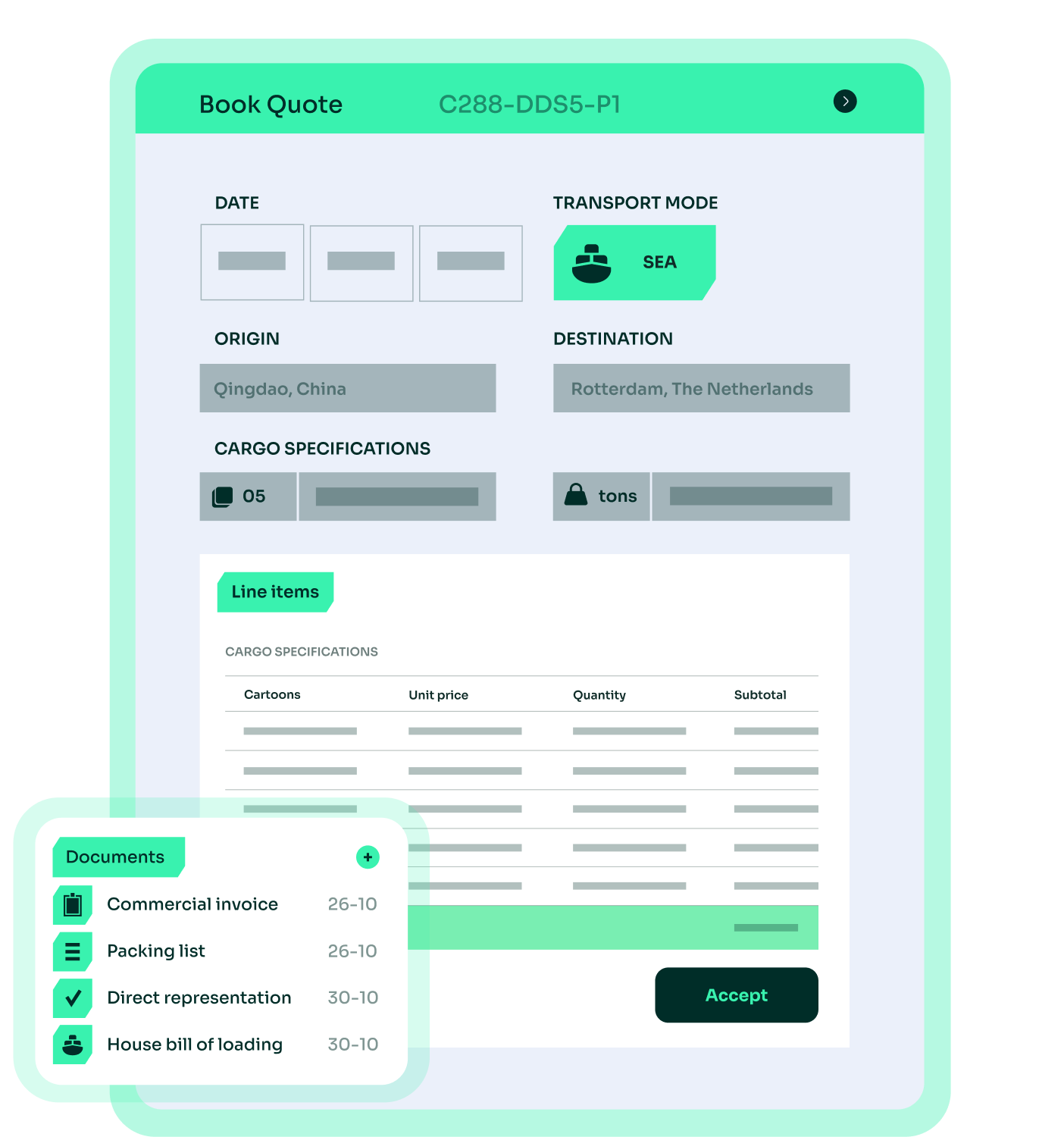
Book In A Few Clicks
Once you find an option you like, booking it is as simple as booking a plane ticket. We’ll need a few details to facilitate the process, and we’ll lock in your rate for your cargo ready date.
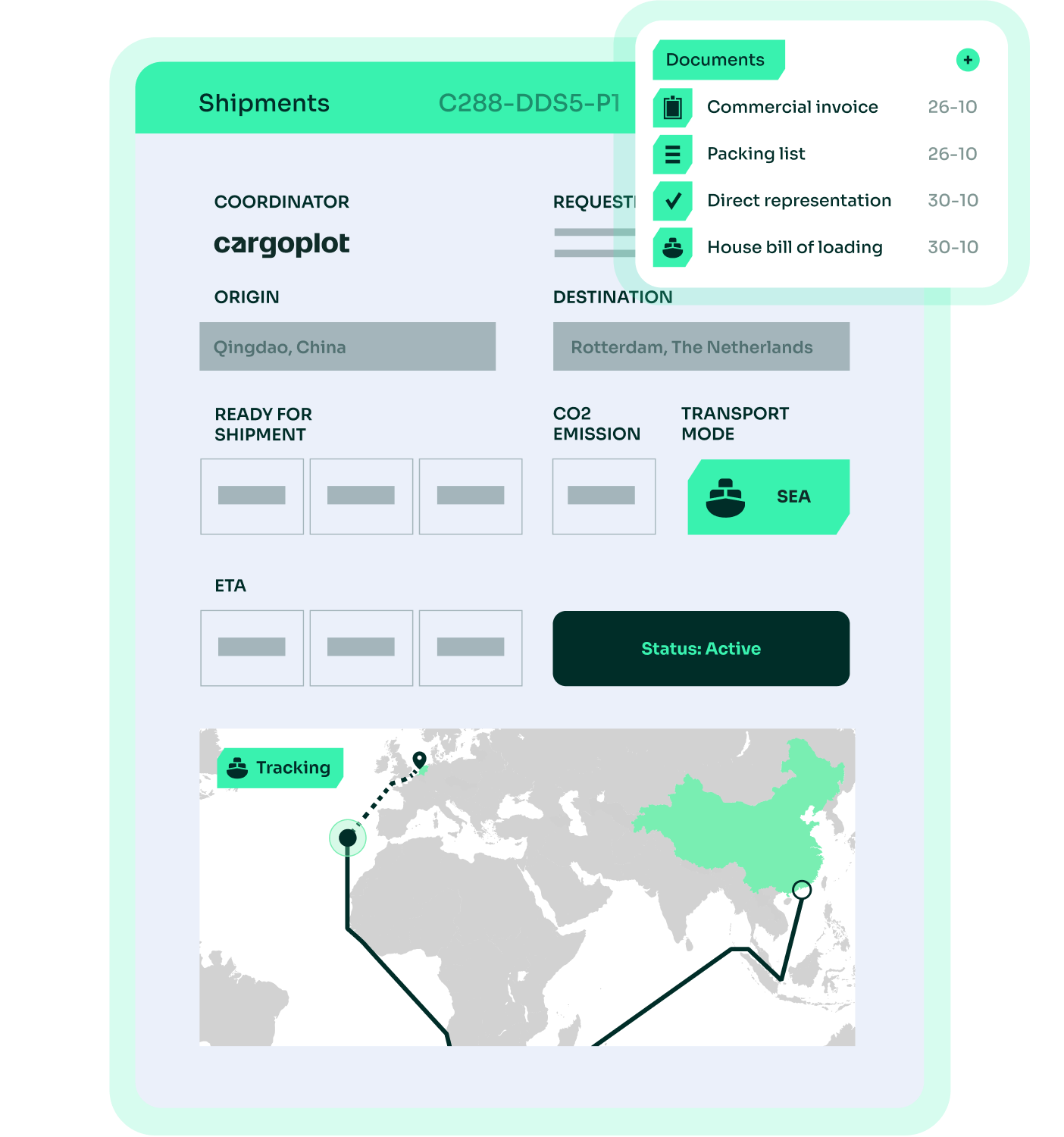
Manage Shipments And Get Support
Tracking, customs, shipping agents... everything is managed through the Cargoplot platform. Your dedicated account manager and our operation specialists are also ready to help anytime.
In Our Customer’s Words:
%20(1)%20(1)%20(1)%20(1).webp)

"What I really like at Cargoplot is that I can see the total price for all the costs... With others, you don't have a total picture. For me, it's very, very important to see what the total price is for the full shipment."



Frequently asked questions about air freight
Air freight, explained: from rates and transit times to maximum dimensions and choosing the right carrier.
What is air freight?
Air freight is the transport of goods by plane, either as belly cargo on passenger flights or via dedicated cargo planes. It’s the fastest mode of transport, ideal for time-sensitive or high-value shipments such as electronics, pharma or luxury goods. In exchange for speed, you pay more than for sea or rail freight.
When should you choose air freight over sea freight (or vice versa)?
Air freight is the better choice for time-sensitive, high-value or relatively light shipments. In practice, you switch as soon as a deadline is at risk — for example, when a supplier runs into delays and the Cargo Ready Date is about to be missed. Even with dense cargo — heavy in weight but compact in volume — air freight can already be worthwhile. For larger volumes with more room in the schedule, sea freight is usually more cost-effective.
What does shipping cargo by plane cost?
The cost of cargo by plane depends on weight, volume, destination and available capacity. With dense cargo — heavy in weight but compact in volume — the rate per kilo often works out more favorably. On average, you pay between $1.50 and $8 per kilo of chargeable weight (also known as volumetric weight). With Cargoplot, you compare rates from multiple airlines instantly, so you always see the current market rate.
What is the maximum height for air freight?
The maximum height for air freight depends on the aircraft type and the ULD or pallet used. There’s no hard maximum weight — a 200-kilo pivot, for example, is not a problem. For the maximum pallet height in air freight, a passenger aircraft typically has a limit of 160 cm, while a dedicated cargo plane has virtually no restriction.
What are the maximum dimensions for air freight?
The maximum dimensions for air freight differ between a passenger aircraft and a dedicated cargo plane. Per ULD on a passenger aircraft, the maximum is typically 317 x 240 x 160 cm, with most limitations arising for shipments longer or taller than 160 cm. A dedicated cargo plane (freighter or widebody) has virtually no restriction.
What do air freight logistics and just-in-time mean?
Air freight logistics is about using speed as part of your supply chain, not just as an emergency fallback. With a just-in-time approach, you hold less inventory, because you can rely on replenishments arriving quickly and on time. If a supplier runs into delays and the Cargo Ready Date is at risk, part of the shipment can go by air freight right away, so production or sales can continue while the rest follows by sea freight.