Commodity Code vs. HS Code: Avoid the mistake that costs thousands
One wrong digit in your commodity code? That's not a typo; it's a container stuck at the port and an additional duty assessment eating into your profit margin. Knowing the difference between an HS code, CN code, and TARIC code is essential for a smooth shipment and avoiding unexpected costs. In this article, we'll explain the basics, show the risks of a wrong code, and give you the tools to handle your customs declarations flawlessly and with confidence.
.webp)


A single wrong digit in your commodity code isn't just an administrative error. It's a container held up at the port, with a fine that directly cuts into your margin. As an importer, you navigate a jungle of codes. The wrong choice leads to delays and additional charges that can make your profits vanish. This uncertainty is a direct risk to your business operations.
In this guide, we provide clarity once and for all. We'll show you which code you really need so you can file your customs declarations with full confidence.
What is an HS code?
An HS (Harmonized System) code is the universal language for product classification. It's a 6-digit standard recognized worldwide. Think of it as the 'family name' of your product; an iPhone in Rotterdam has the same 6-digit base code as one in Shanghai.
But that base isn't enough. A common mistake is assuming these 6 digits are sufficient for a customs declaration. For example, an importer of promotional apparel used one code for a shipment of T-shirts. "A T-shirt is a T-shirt, right?" Wrong.
Customs flawlessly identified his batch of polyester shirts (HS code subheading 6109.90), even though he had declared everything as cotton (6109.10). That small difference in the HS commodity code resulted in an additional duty assessment that wiped out his entire profit margin on the deal.
The difference between a commodity code or hs code
The 6-digit HS-code is your starting point, but it's insufficient for EU customs. The commodity code is the specific, extended code that the EU requires on your declaration. The terms are often used interchangeably, but here is the crucial distinction:
- HS Code: The first 6 digits, standardized globally.
- Commodity Code (EU): The 8- or 10-digit code specific to the EU. This code always starts with the 6-digit HS code.
This extended commodity code is further split for imports and exports:
- Export (from the EU): You use the 8-digit CN code (Combined Nomenclature). This consists of the 6 HS digits, plus two EU-specific digits that further detail the product.
- Import (into the EU): You use the 10-digit TARIC code. This starts with the 8-digit CN code and adds two more digits for EU measures such as anti-dumping duties, tariff quotas, or other trade policies.
Why the right commodity code is crucial
The correct commodity code is not a formality; it's a strategic necessity.
- It determines your cash flow. A wrong code means wrong import duties. The result: a direct hit to your profit or an unexpected additional assessment months later.
- It dictates the rules. Does your product require a CE marking or a specific license? The commodity code holds the key. The wrong code means the wrong documentation—and thus, delays.
- It prevents suspicion (and physical inspections). An illogical or carelessly chosen code is a red flag for customs. It's an invitation for an inspection, with all the associated delays and costs.
And let's be honest: when customs comes knocking, they look to you, the importer, not your supplier. The final responsibility lies with you.
How to find the right HS commodity code
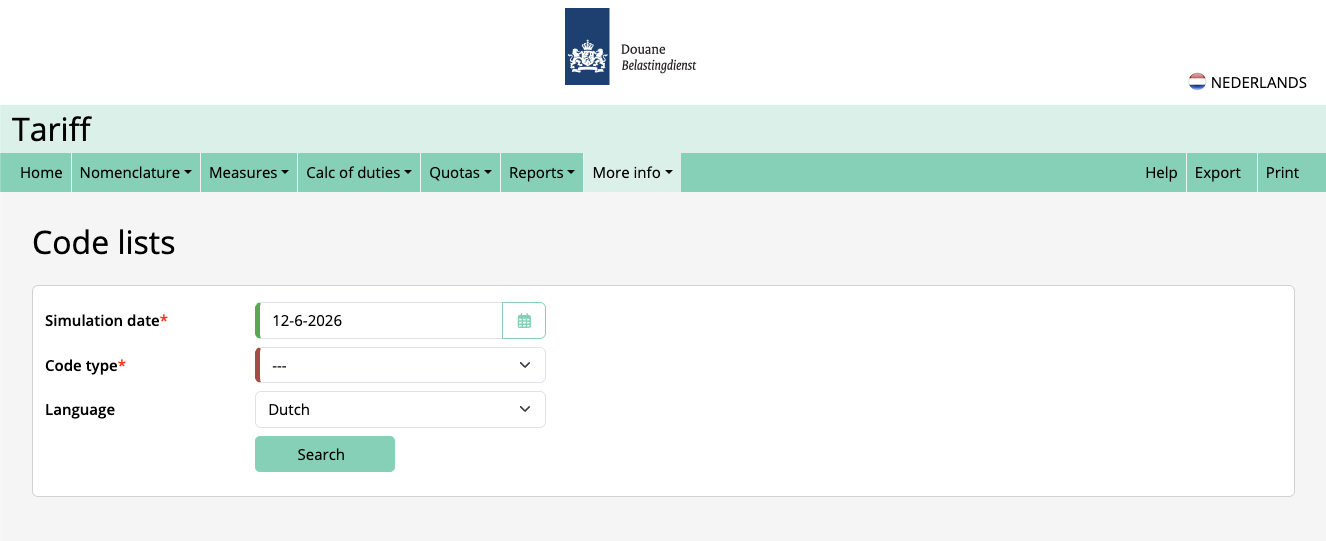
Finding the correct code yourself can be a maze. You can consult a list of commodity codes or an HS commodity code list online, for example, on the customs authority's website. However, the challenge isn't finding the list, but correctly interpreting the product descriptions. Is your product a 'part of' or an 'accessory'? What material is it 'mainly' made of? These details determine the code.
An expert, such as a specialized freight forwarder like Cargoplot, has the knowledge and tools to classify your products correctly. This is not just easier; it's a strategic choice that protects your supply chain from unnecessary risks and costs.
Your time is valuable. Spend it growing your business, not deciphering customs tariff tables. Entrusting the complexity of commodity codes to the experts at Cargoplot is a strategic choice that protects your supply chain. Eliminate the risk and ensure your next shipment arrives smoothly.
Frequently asked questions about commodity code or hs code
What is an HS code?
An HS code is a globally standardized 6-digit code used to classify products. It forms the basis for all international customs declarations.
What is a commodity code?
A commodity code is a more specific code used for customs declarations within a particular trade bloc, like the EU. In the EU, this is the 8-digit CN code (for exports) or the 10-digit TARIC code (for imports).
What is the difference between a commodity code and an HS code?
The HS code is the universal 6-digit base. The commodity code is an extension of this (8 or 10 digits in the EU) that includes more specific details and trade measures required by customs in that region.
Why is the correct commodity code so important?
The commodity code determines the rate of import duties, whether additional licenses or certificates are needed (like CE), and if any trade restrictions apply. A wrong code can lead to fines, delays, and post-clearance duty assessments.
Related content



Sign up for more supply chain insights:
No spam, just knowledge.