Save significantly on demurrage & detention with this smart inland strategy
Discover how a smart inland strategy can drastically reduce your Demurrage & Detention costs, including shifting the start time of the D&D counter, creating a strategic time buffer during transit, and relieving pressure on your warehouse schedule. Learn how using carrier haulage via inland shipping turns potential delays into free days.
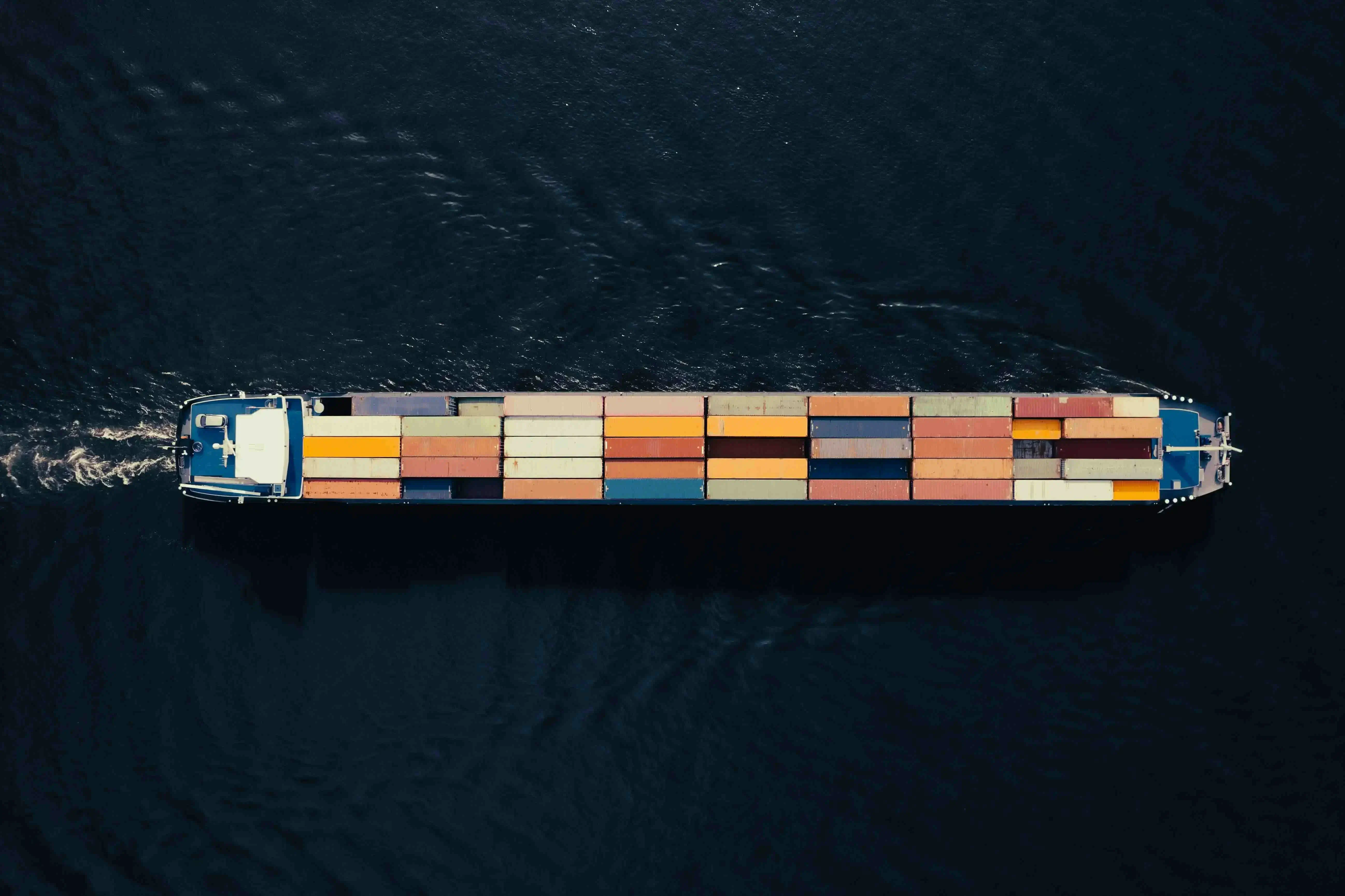


Every supply chain manager knows the feeling. A ship arrives, and the D&D counter begins to run relentlessly. You race against the clock, but your warehouse schedule is already filled to capacity. Containers wait on the quay, and costs pile up.
We often accept this as a necessary evil. But what if the rules of the game aren't fair? What if the counter starts running long before you can do anything about it?
The solution to this financial drain isn't unloading faster, but a smarter strategy for inland transport. By looking differently at how your container travels from the seaport to the hinterland, you can fully control the start time of the D&D counter. This allows you to create a buffer of several days and potentially halve your costs.
The real problem: The hidden default setting
The core of the problem is a detail that is often overlooked: the precise starting moment of your free days.
As soon as your container is unloaded from the ship in the port of Antwerp or Rotterdam, the D&D counter begins to run. Not when the truck arrives. Not when you receive a notification. Directly upon discharge.
The standard approach—unloading the container and then booking a truck—is a guaranteed race against the clock. Every delay due to congestion in the port, a shortage of drivers, or a full schedule at the warehouse snatches precious hours from your free days. The bill for the delay in the port thus ends up on your plate.
This is the standard operating procedure in logistics, designed for the benefit of the shipping lines, not yours. All the risk is placed on you.
The solution: Move the starting line, not just the container
What if you didn't have to work faster, but could simply move the starting line of the race? That is exactly what a smart inland strategy does.
The solution is to book the sea and inland leg as one integrated transport. Instead of booking transport only up to the seaport, you book it via the shipping line through to an inland shipping terminal (also called "carrier haulage").
When you do this, something crucial changes. For the shipping line, the 'final destination' (Port of Discharge) is no longer the seaport, but the inland shipping terminal. And that makes a world of difference.
Your demurrage-free period only begins the moment the container arrives at the inland shipping terminal.
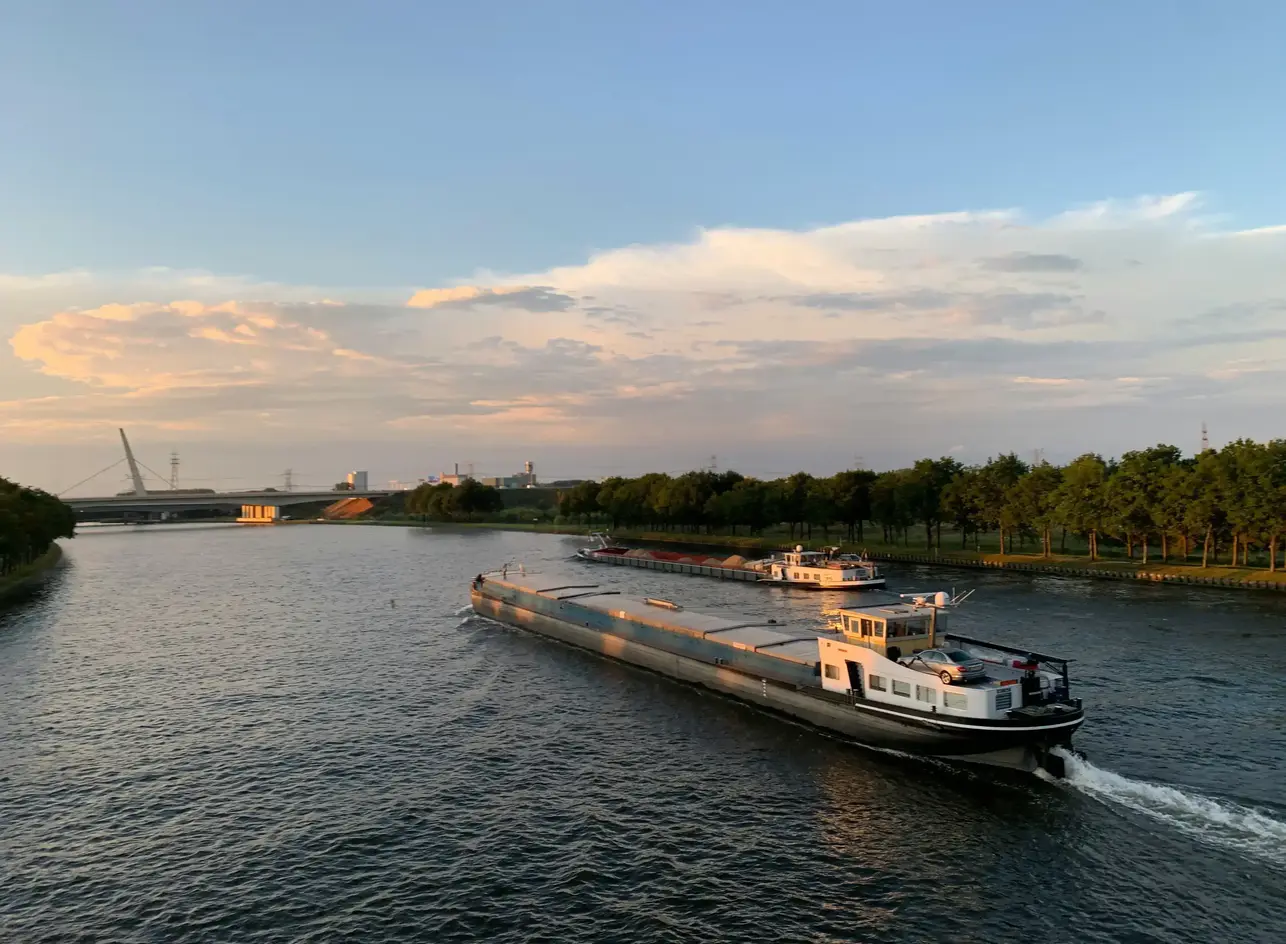
The transit time by inland vessel—often two to three days—is now no longer a ticking time bomb, but a strategic buffer. These 'free' days absorb delays in the seaport and give your warehouse planning the breathing room it needs.
From theory to practice: The hard business case
Let's make it concrete with a comparison for a container going from Antwerp to a warehouse in Meerhout.
Scenario A: Traditional by truck
- Day 1: Container discharged in Antwerp. The D&D counter (5 free days) begins to run.
- Day 3: The truck picks up the container and delivers it.
- Day 6: The empty container is returned. You are one day late. Costs: €100+ in detention. Every delay causes stress and extra costs.
Scenario B: Strategic by inland shipping
- Day 1: Container discharged in Antwerp and loaded onto an inland vessel. The D&D counter does NOT begin to run.
- Day 3 (end): Container arrives in Meerhout. Only now does your D&D counter (5 free days) begin to run.
- Day 4-8: You have a completely new window of 5 days to calmly pick up, unload, and return the container empty.
Stop paying to wait
Your strategy for the on-carriage is a powerful weapon, not just simple processing. By booking inland shipping transport directly from the port of loading, you turn the D&D counter into an ally instead of an adversary.
This is not a loophole; it is smart logistics. It is about ensuring transparency so that you see all your options and can make the choice that secures your margins. Do not let default settings dictate your budget any longer.
Cargoplot makes it simple to find and compare quotes that directly include this on-carriage by inland vessel. Take back control today.
Frequently asked questions about demurrage & detention costs
Why is the standard start time of demurrage & detention disadvantageous for importers?
In the standard method, the D&D counter starts running immediately as soon as the container is unloaded in the seaport. As a result, delays due to congestion, driver shortages, or warehouse planning come directly at the expense of your free days.
How can I shift the start moment of the D&D counter?
You can shift the start moment by applying 'carrier haulage': book the transport via the shipping line through to an inland terminal. The 'Port of Discharge' then shifts, meaning the counter only starts upon arrival at the inland terminal.
What is the benefit of inland shipping for my D&D-free days?
The transit time by inland vessel (often 2-3 days) does not count towards your free days in the port. This travel time acts as a strategic buffer, ensuring your free period only starts when the container is closer to your warehouse.
Related content



Sign up for more supply chain insights:
No spam, just knowledge.